Behold the pocket-sized western pygmy possum! (Cercartetus concinnus). One of the world’s smallest possums, this species typically weighs just 0.5 oz (14 g)—the size of an AA battery. This dainty marsupial is a nectariv...
Meow! This Caturday, let’s introduce the jungle cat (Felis chaus). Also known as the swamp cat or reed cat, this feline prefers wetland habitats with thick vegetation. It has a wide range that includes parts of North Af...
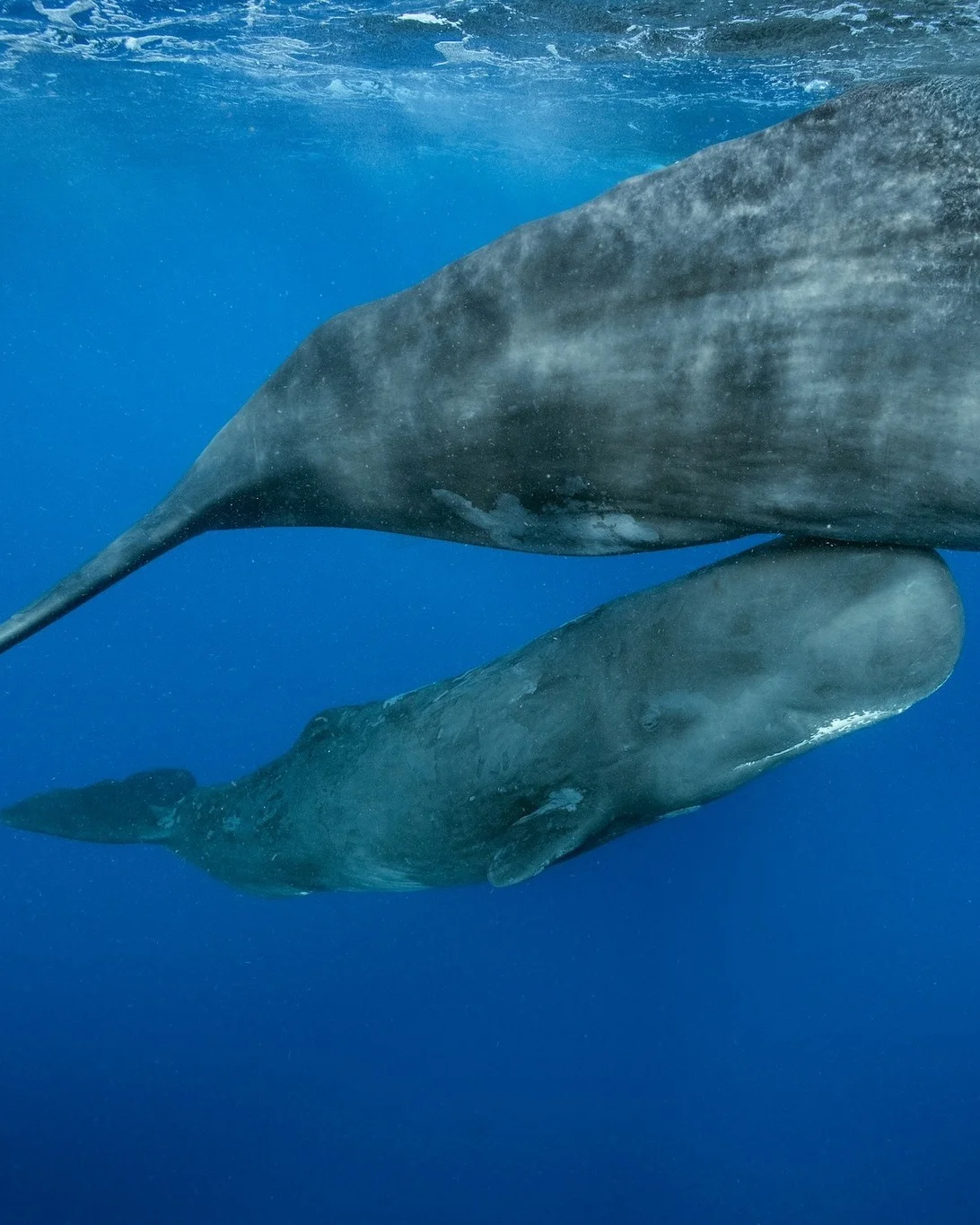
Science news! A team including Museum researchers has published the most comprehensive documentation of a sperm whale birth ever recorded. The studies, led by scientists at Project CETI (Cetacean Translation Initiative)...
The Museum’s Margaret Mead Film Festival kicks off on Friday, May 1! This three-day celebration will present storytelling and documentary films from diverse voices near and far. Some highlights, below: Friday, May 1, is...
Space travel has been a popular topic recently. Why do humans want to go to the Moon? Museum astrophysicist Jackie Faherty discusses some of the things we can learn from traveling to our not-so-distant lunar companion....
Visitors can spot Edmontonia, and other dinosaurs, on Floor 4 of the Museum. ️The Museum is open daily from 10 am–5:30 pm. Plan your visit! #fossils #paleontology #museum #naturalhistory
Cephalopod lovers: What’s the world’s largest octopus? Capable of growing more than 16 ft (4.9 m) long and weighing in at over 100 lbs (45 kg), that would be the giant Pacific octopus (Enteroctopus dofleini)! More than...
Meet the Sunda flying lemur (Galeopterus variegatus)—which can’t fly and is not a lemur! Also known as the colugo, this tree-dwelling mammal can be found in parts of Southeast Asia. Its patagium, the membrane of skin be...
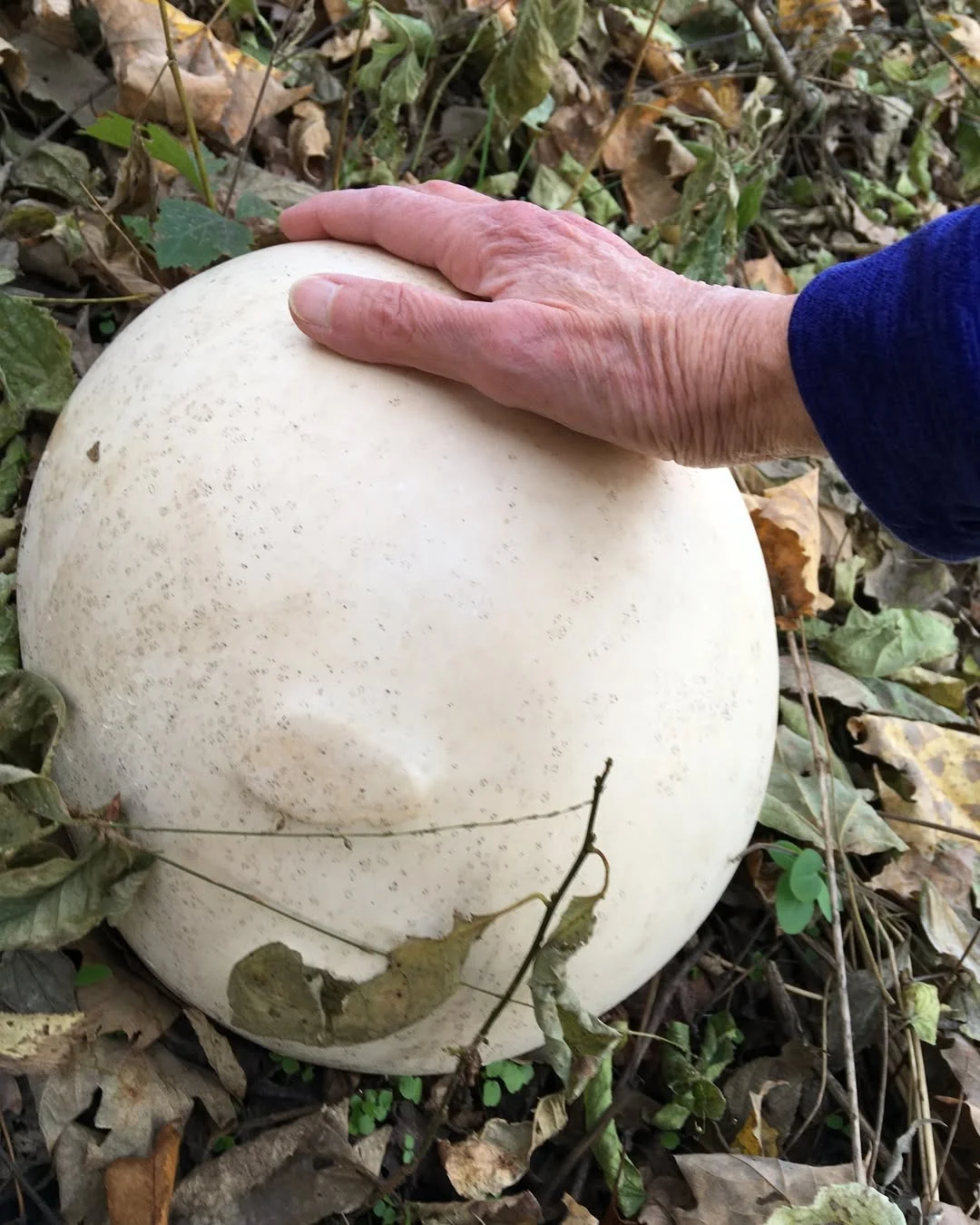
Having a ball this weekend? Here’s another ball to occupy your time: the giant puffball (Calvatia gigantea)! Not your typical mushroom, this round off-white fungus ranges in size from a softball to a beach ball. Since i...
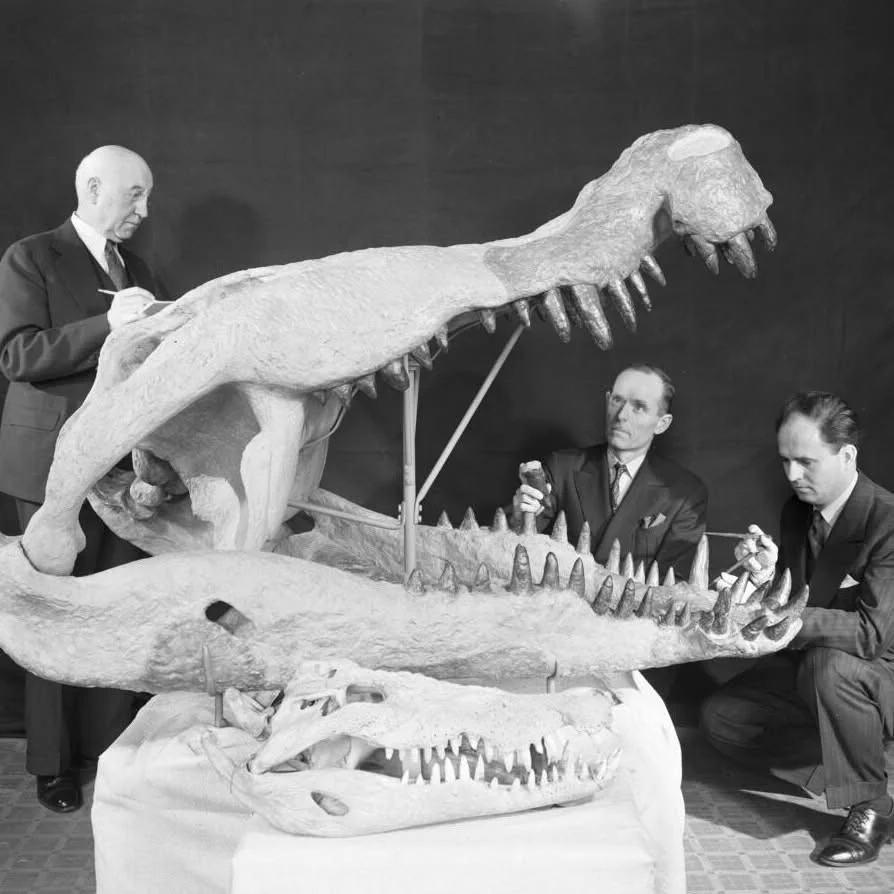
This Fossil Friday, let’s take a bite out of the weekend with Deinosuchus—a giant crocodilian that lived alongside the dinosaurs some 75 million years ago. Reaching lengths of more than 35 ft (10.7 m) and weighing more...
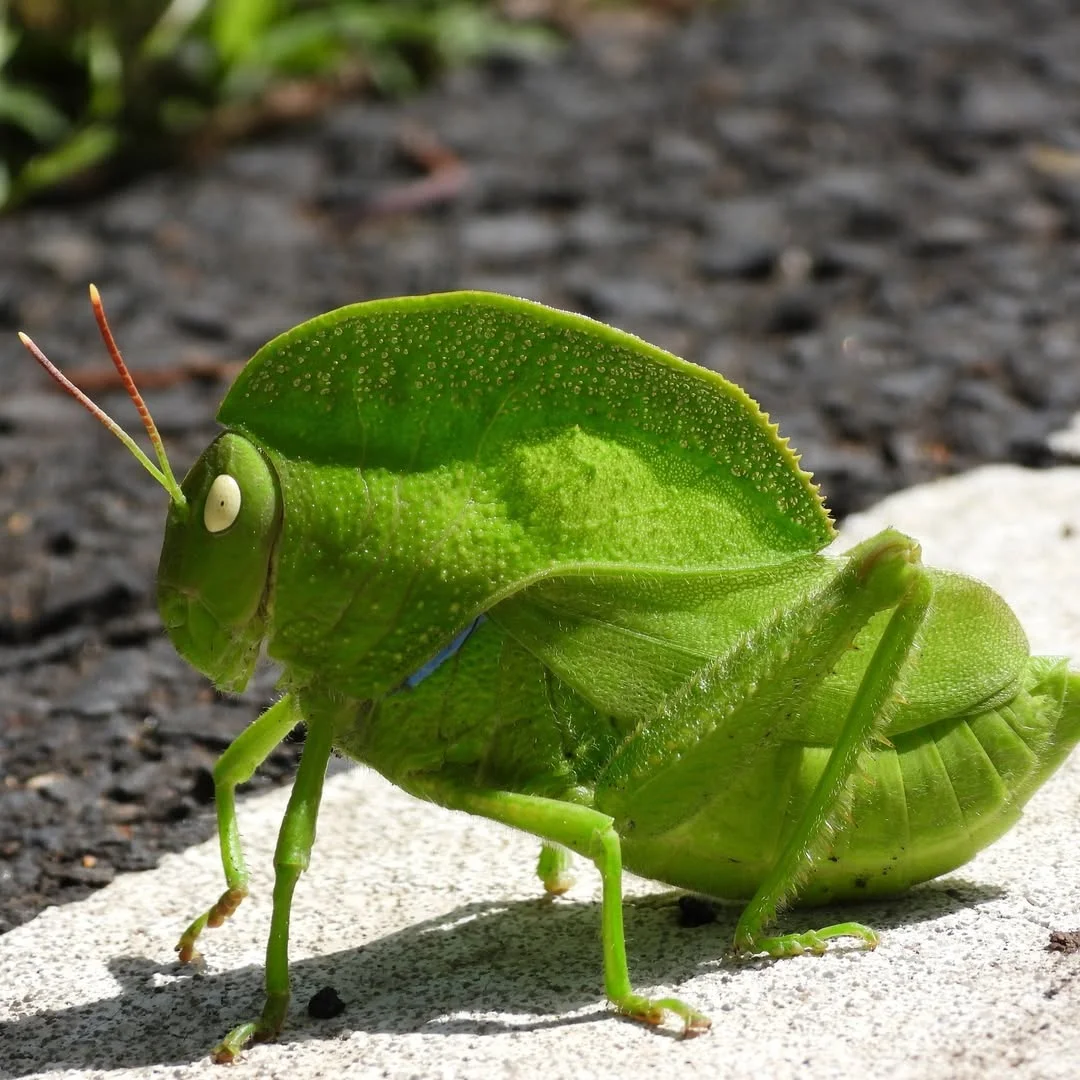
You are what you eat: just ask the hooded grasshopper (Teratodes monticollis)! This uniquely-shaped insect feeds primarily on leaves—and it’s perfectly camouflaged to look like one, too. Females can grow up to 2 in (5.2...
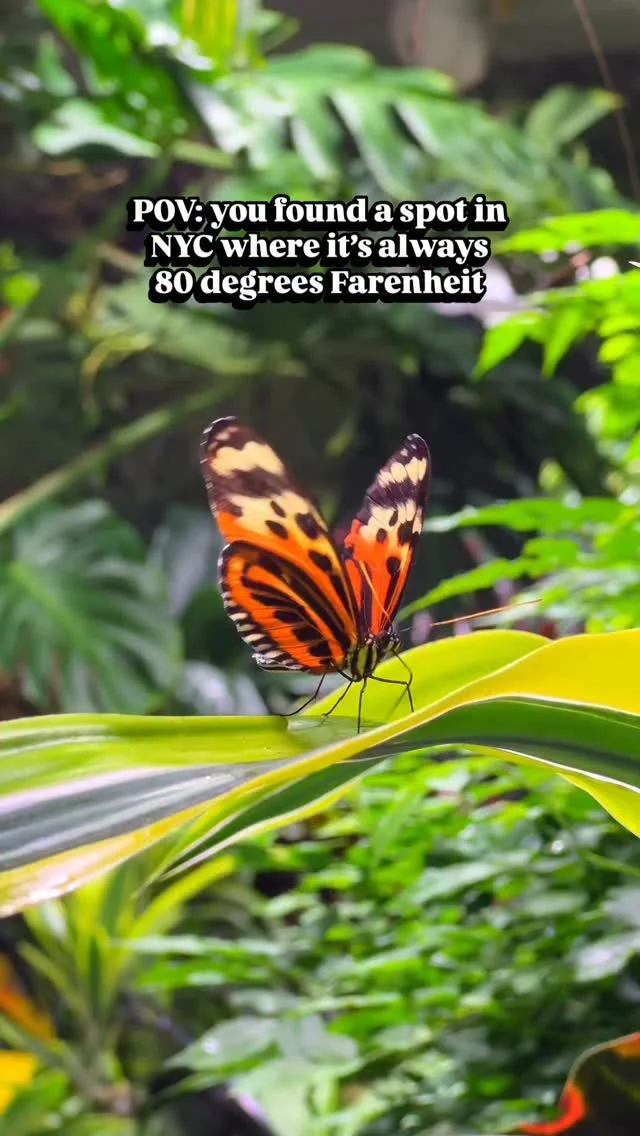
Did you know? The Museum’s butterflies go through more than 100 pounds of fruit every month. Adopt a butterfly and help keep the Davis Family Butterfly Vivarium thriving. We’ll send you a certificate of butterfly adopti...
Think that’s a hedgehog? Think again. Despite its name and appearance, the lesser Madagascar hedgehog tenrec (Echinops telfairi) is more closely related to elephants and manatees than it is to true hedgehogs. Weighing u...
Head to @amnh on Tuesday, April 21, for The Weirdest Thing: A Science Gameshow and Dance Party! Join @radiolab host Latif Nasser for a gameshow that reveals the stories behind objects in the Museum’s scientific collecti...
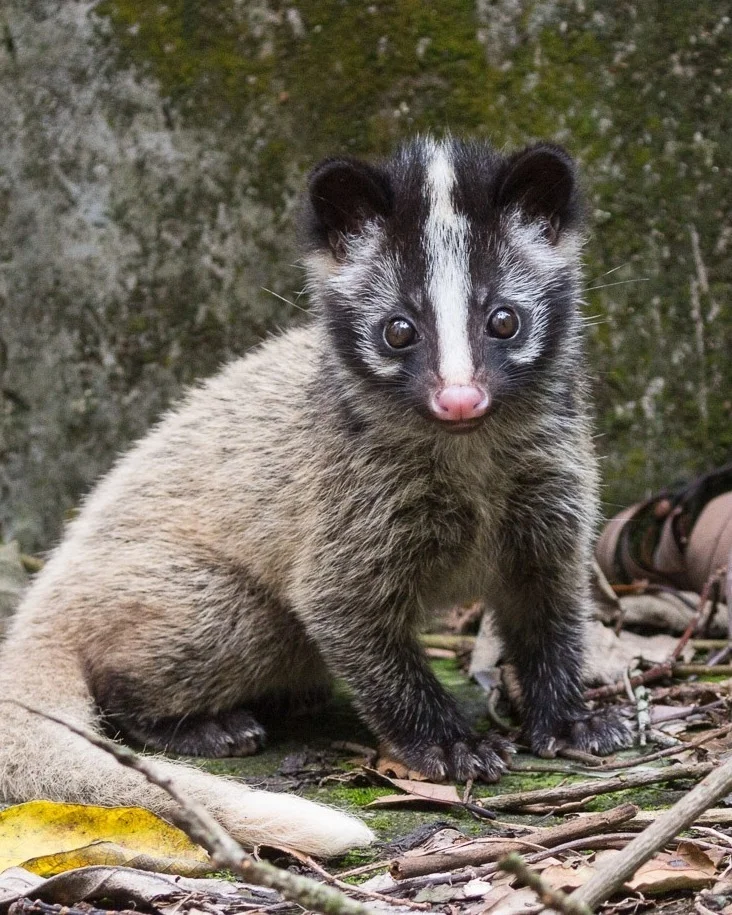
For your daily dose of cuteness, meet the masked palm civet (Paguma larvata)! Weighing up to 11 lbs (5 kg), this house cat-sized critter can be found over a wide range that includes China, India, Sumatra, and Borneo. It...
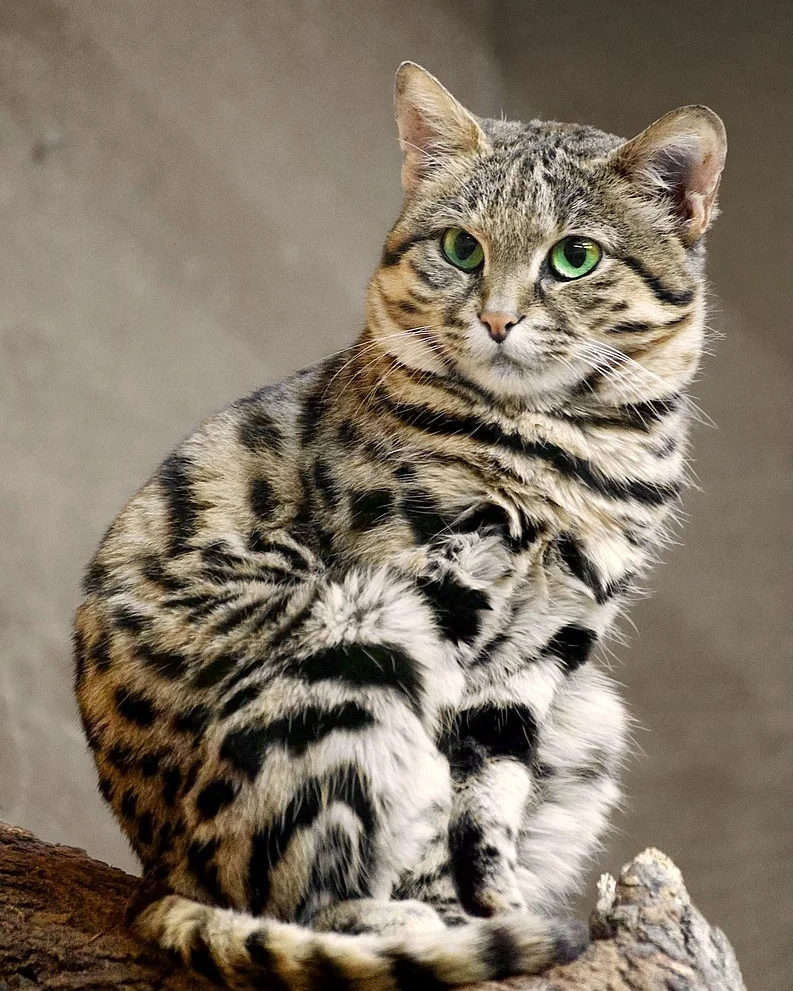
This Caturday, meet the black-footed cat (Felis nigripes). It’s the smallest wild cat in Africa, only growing about 8 in (20 cm) tall and weighing around 4.4 lbs (2 kg). Don’t let its size fool you: This pint-sized pred...
Is your favorite color violet? Then meet your new favorite animal: the Violet-backed Starling (Cinnyricinclus leucogaster)! This bird might be spotted in open woodland and riverine habitats in parts of Africa such as Ke...
Some butterflies are social. Some are masters of camouflage. Some are dazzling illusionists. Which will you adopt? The Museum’s butterflies go through more than 100 pounds of fruit every month. Adopt a butterfly and hel...
Ever heard of the Sri Lankan giant squirrel (Ratufa macroura)? Growing up to 17.8 in (45 cm) from nose to rump—and with a tail nearly the same size—this arboreal rodent spends most of its life in the trees. It can jump...
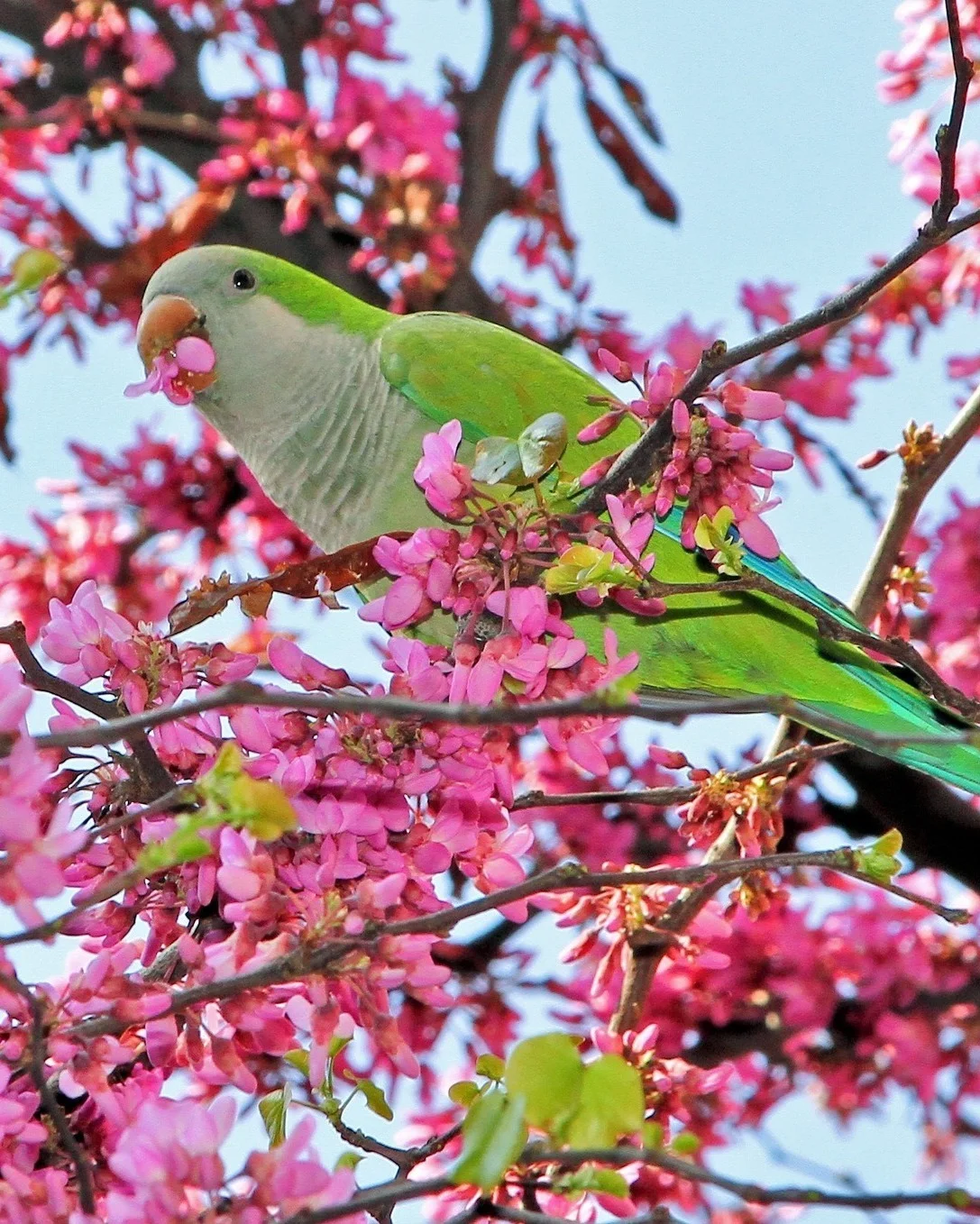
Have you ever seen the Monk Parakeet (Myiopsitta monachus)? While this bird is endemic to Argentina, populations might also be spotted in places as far north as New York, Boston, or Chicago! There are many theories as t...
Shh…wanna hear a secret? The secret toadhead agama (Phrynocephalus mystaceus) has one. Growing about 9 in (24 cm) long, this wide-ranging species inhabits deserts in parts of Asia. When confronted by predators, like bir...
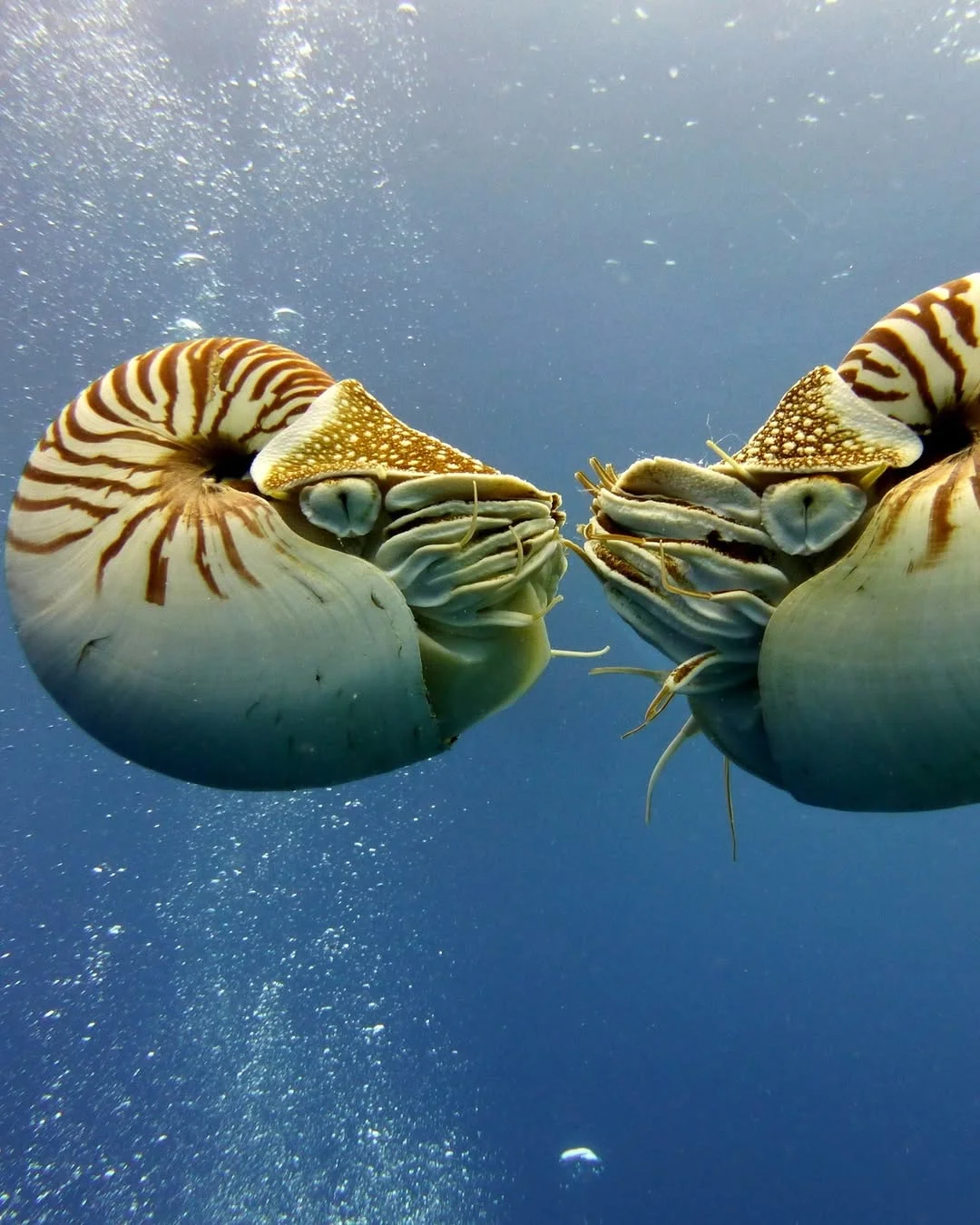
What do you know about nautiloids? These animals have been around, and mostly unchanged, for hundreds of millions of years. A nautilus moves by forcing powerful jets of water out through an organ called the siphon, prop...
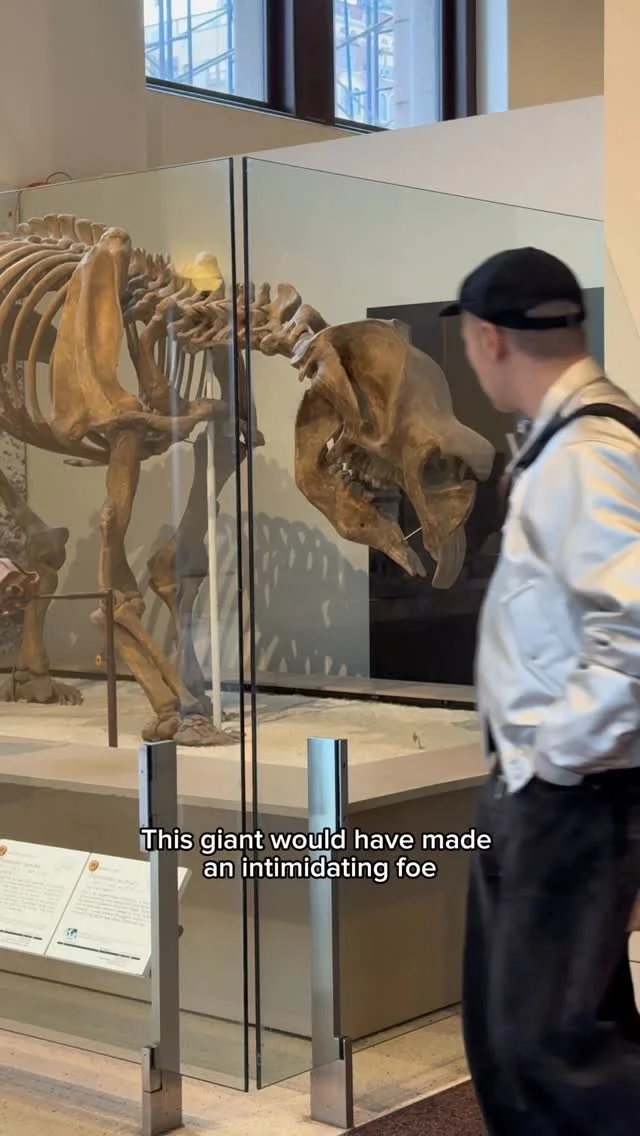
Visitors can spot Diprotodon and Thylacoleo in the Hall of Primitive Mammals. ️The Museum is open daily from 10 am–5:30 pm. Plan your visit! #fossils #paleontology #museum #naturalhistory
Experience 150 years of sports history in the Museum’s new exhibition For the Win: Objects of Sports Excellence, opening on May 15. See 70+ objects across 15+ sports—including basketball, baseball, football, soccer, ten...
No, that’s not an eel, or a snake… or a worm. Believe it or not, this critter is a legless amphibian! Meet Beddome’s caecilian (Ichthyophis beddomei).This species, which can grow up to 10.8 in (27.5 cm) long, inhabits p...
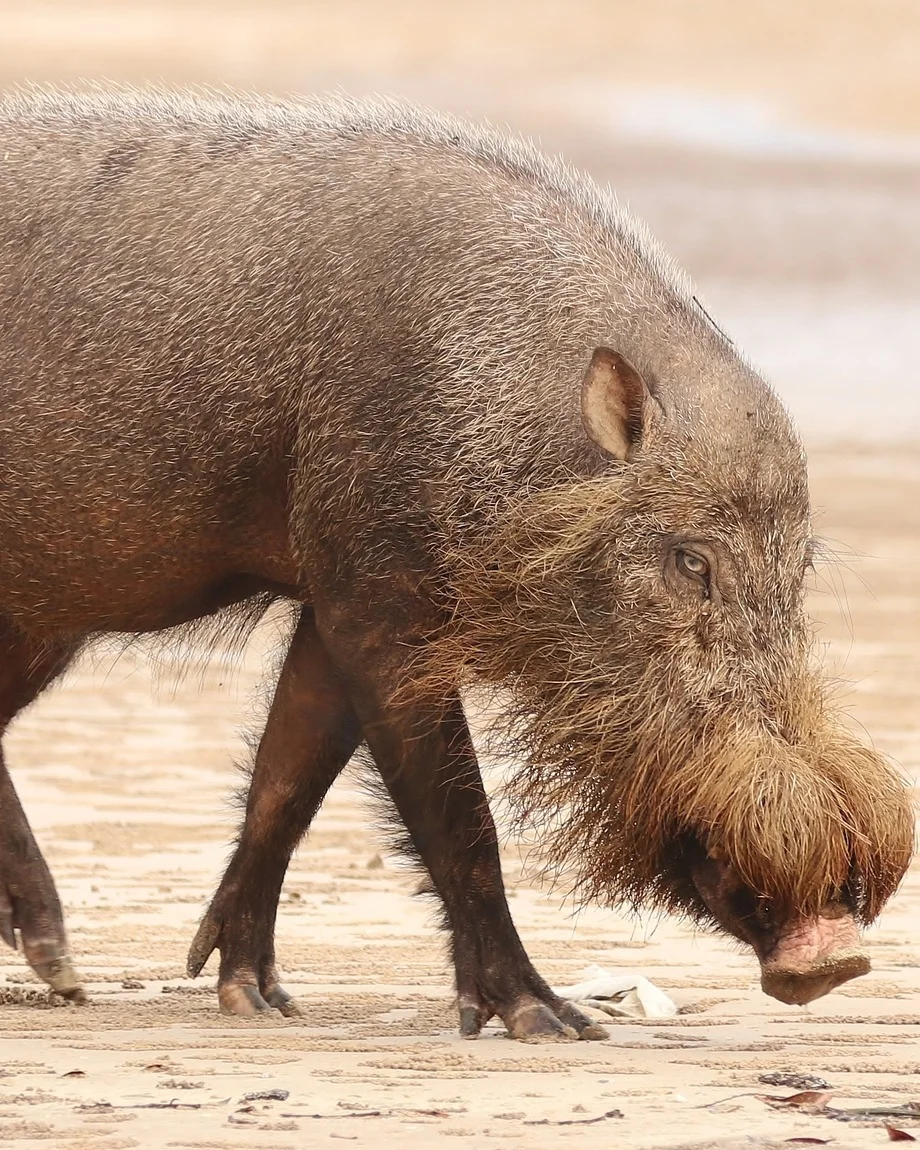
Have you ever seen the Bornean bearded pig (Sus barbatus)? This bewhiskered swine inhabits rainforests and mangroves in parts of Southeast Asia, where it uses its long snout to dig up snacks like earthworms and roots. I...